Opus Sectile
Installation View, 2015
Opus Sectile
Installation View, 2015
Opus Sectile
Installation View, 2015
Opus Sectile
Installation View, 2015
Opus Sectile, MINI/Goethe-Institut Ludlow 38 New York
Scroll Down For German
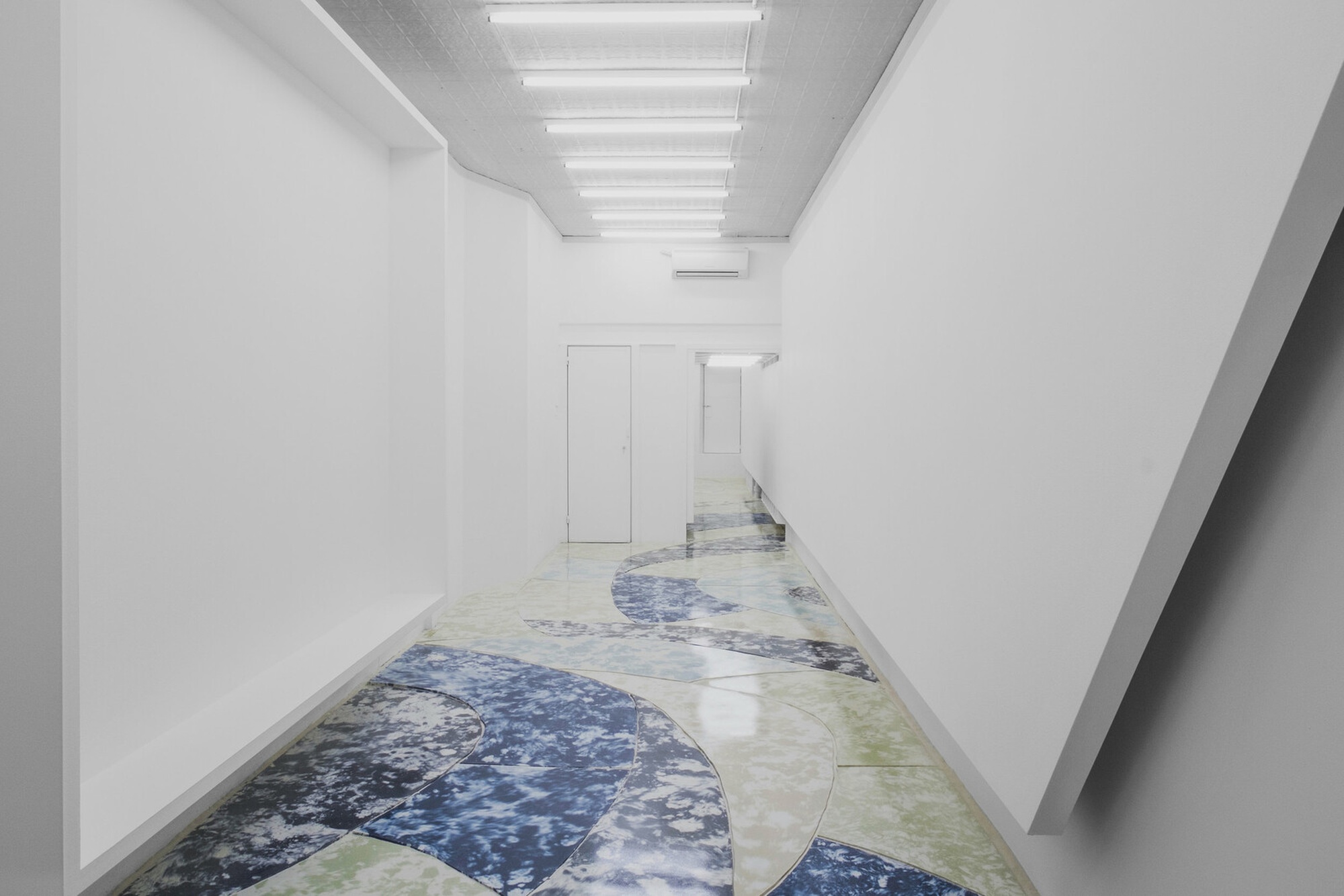
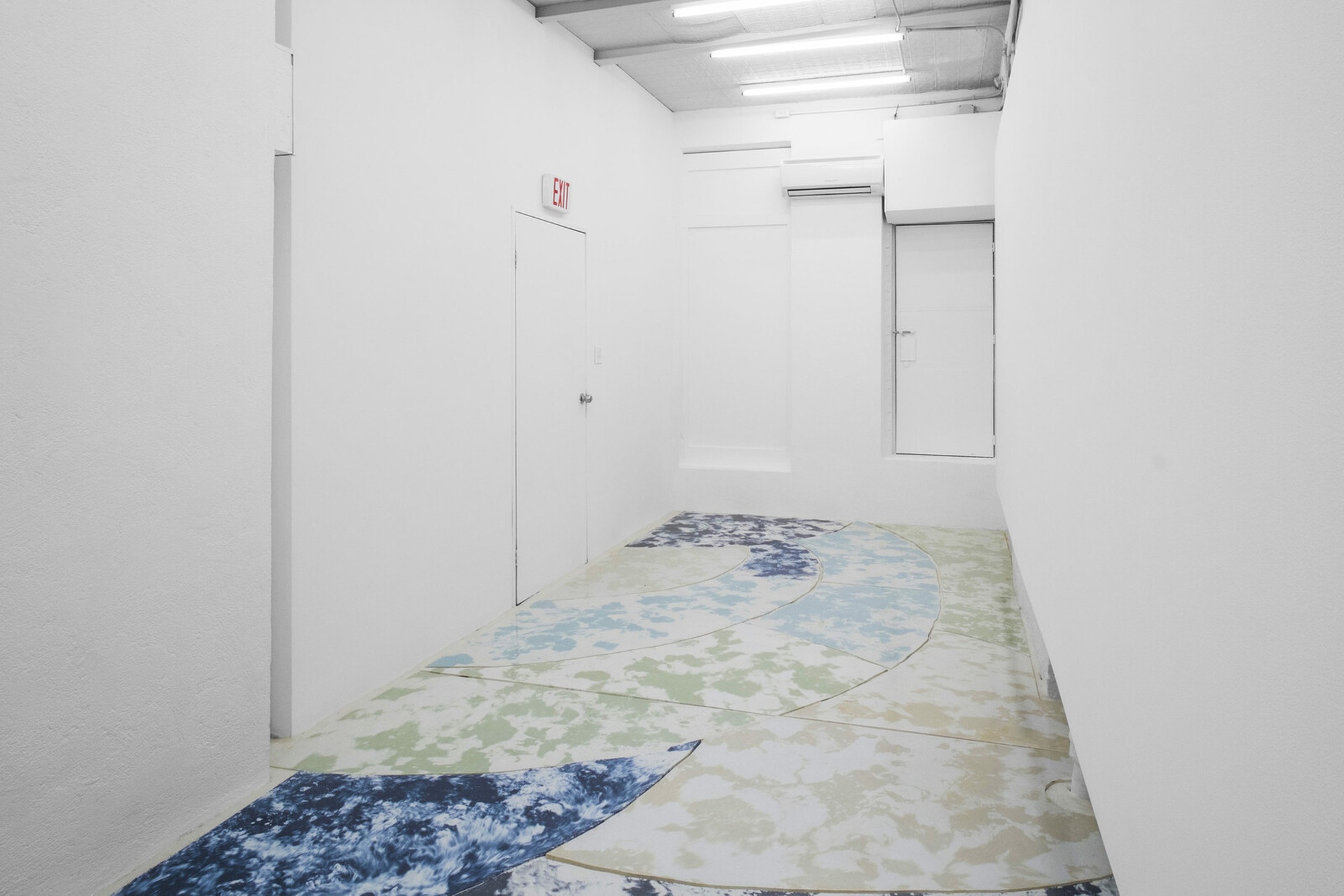
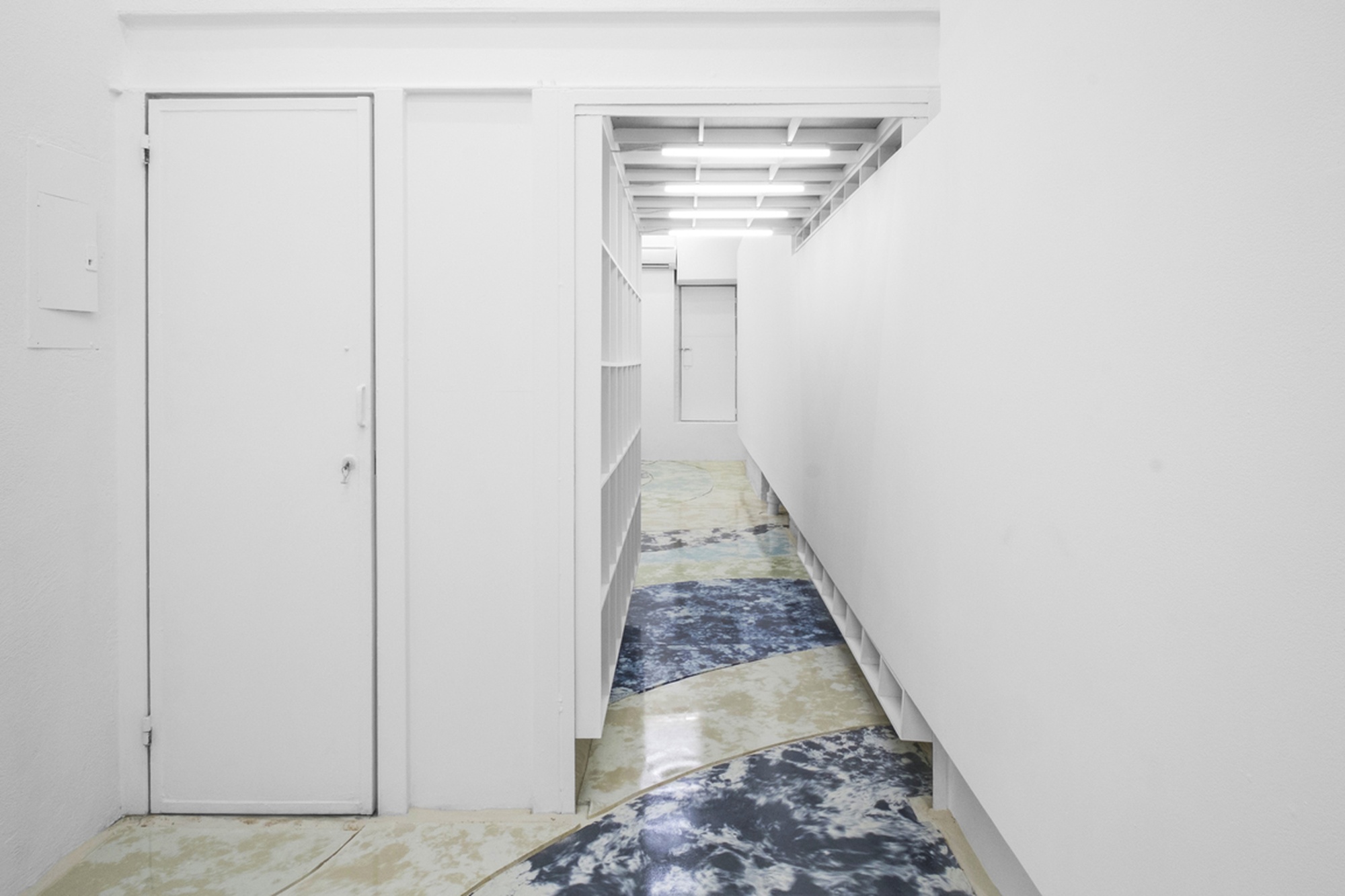
MINI/Goethe-Institut Curatorial Residencies Ludlow 38 is pleased to present the first US solo exhibition by Zuzanna Czebatul. For Ludlow 38, the artist has developed a floor piece that deals with the exhibition space and its history. Opus Sectile, originated in dialog with the permanently installed display Remodel, which was conceived by artist Martin Beck in 2011, is a reflection about movement through social and experienced spaces. Taking the relationship between the individual and space as a starting point, in this work Czebatul addresses the history of architecture and its brittle lines in the present.
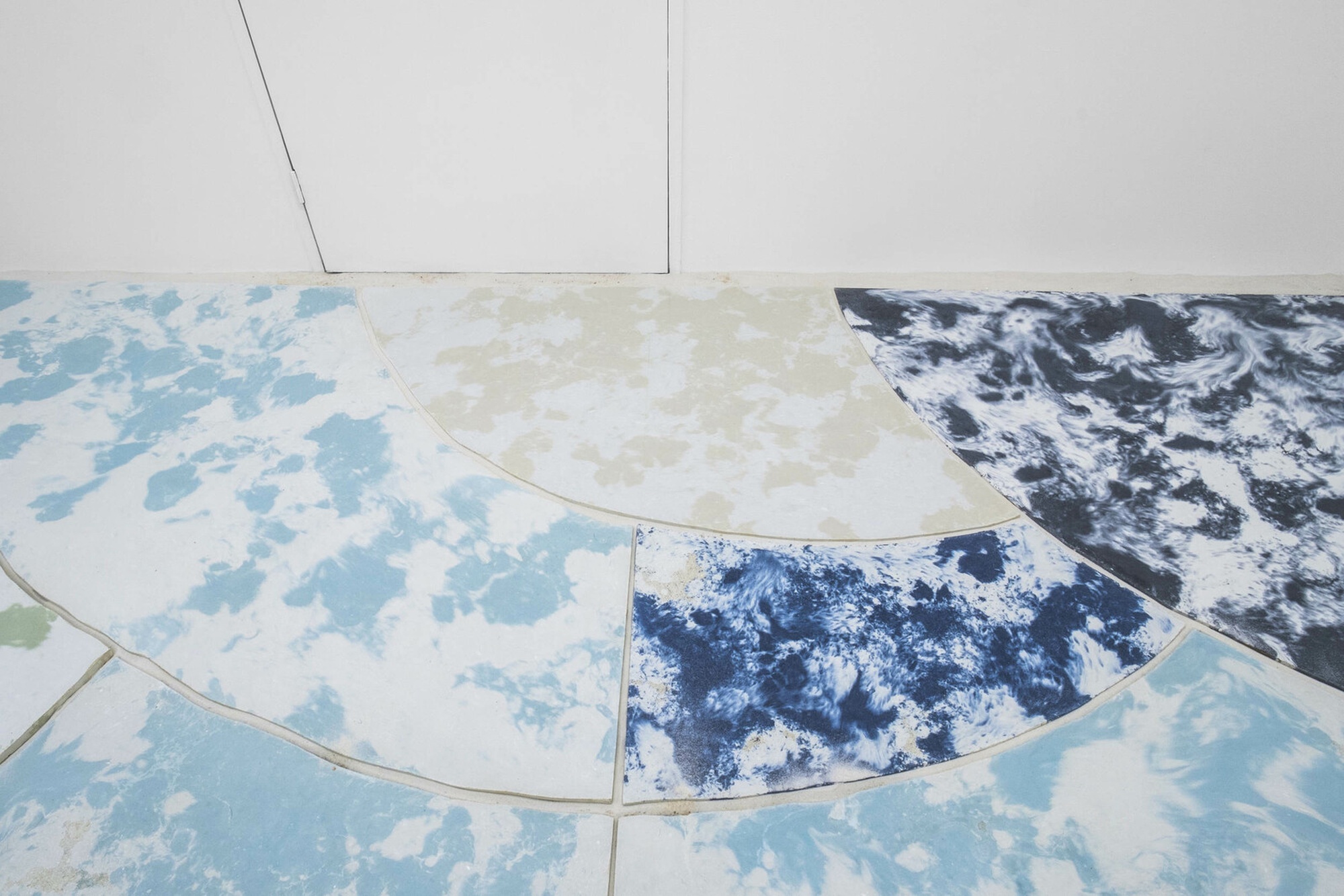
The title Opus Sectile (Engl. “cut work”) is borrowed from Latin and refers to an artistic technique that was practiced primarily in ancient Roman times to inlay floors with fine marble, mother-of-pearl, or cut glass. Unlike mosaics, the stones for an opus sectile are cut to generous shapes, which then are positioned piece by piece as the subject. The best known historical references include the finds in Villa Adriana, Herculaneum, and Palazzo Massimo alle Terme. The rooms of these imposing villas were not only decorated with fine sculptures, statues, and busts, but also with decorative mosaics and murals. In ancient times, sculpture and architecture formed a synergetic unit designed for a harmonious combined effect; the goal was to design space as a whole.
Czebatul’s engagement with sculptural architecture transports this idea to the present. At Ludlow 38, she has transformed the floor into an artistic element, producing an extensive opus sectile and thus redefining movement through the exhibition space. The formal design of the floor is based on dynamic lines that create a horizontal pattern. The individual panels have a marbled quality created in a special manufacturing process by which Czebatul prepares a concrete-pigment mixture that slowly hardens in poured molds. These panels are fastened to each other on the floor and intercede with the Remodel display in their overall appearance. At the same time the floor appears to be part of a larger whole, a fragment of modern architecture that seemingly runs behind the walls of the exhibition space. Opus Sectile is based on ideas of site-specificity and opens up a conceptual space where the potential and the continuous transformation of urban architecture can be renegotiated.
German
Das Programm MINI/Goethe-Institut Curatorial Residencies Ludlow 38 freut sich, die erste Einzelausstellung von Zuzanna Czebatul in den USA zu präsentieren. Für Ludlow 38 hat die Künstlerin eine Bodenarbeit entwickelt, die sich mit dem Ausstellungsraum und seiner Geschichte auseinandersetzt. Opus Sectile, entstanden im Dialog mit der permanent installierten Präsentation Remodel, die 2011 von Martin Beck konzipiert wurde, ist eine Reflexion über Bewegung durch soziale und erfahrbare Räume. Ausgehend von der Beziehung zwischen Individuum und Raum thematisiert Czebatul in dieser Arbeit die Geschichte der Architektur und ihre brüchigen Linien in der Gegenwart.
Der Titel Opus Sectile (engl. „cut work“) ist dem Lateinischen entlehnt und bezeichnet eine künstlerische Technik, die vor allem in der römischen Antike praktiziert wurde, um Böden mit feinem Marmor, Perlmutt oder geschnittenem Glas auszulegen. Im Gegensatz zum Mosaik werden die Steine beim Opus Sectile in größere Formen geschnitten und anschließend Stück für Stück zum Bildmotiv zusammengesetzt. Zu den bekanntesten historischen Beispielen zählen Funde in der Villa Adriana, in Herculaneum sowie im Palazzo Massimo alle Terme. Die Räume dieser eindrucksvollen Villen waren nicht nur mit feinen Skulpturen, Statuen und Büsten ausgestattet, sondern auch mit dekorativen Mosaiken und Wandmalereien versehen. In der Antike bildeten Skulptur und Architektur eine synergetische Einheit, die auf eine harmonische Gesamtwirkung ausgerichtet war – das Ziel war die Gestaltung des Raums als Ganzes.
Czebatuls Auseinandersetzung mit skulpturaler Architektur überträgt diese Idee in die Gegenwart. In Ludlow 38 hat sie den Boden selbst in ein künstlerisches Element verwandelt, ein umfangreiches Opus Sectile geschaffen und damit die Bewegung durch den Ausstellungsraum neu definiert. Die formale Gestaltung des Bodens basiert auf dynamischen Linien, die ein horizontales Muster erzeugen. Die einzelnen Platten besitzen eine marmorierte Qualität, die in einem speziellen Herstellungsverfahren entsteht: Czebatul mischt Beton und Pigmente, die in gegossenen Formen langsam aushärten. Diese Platten werden am Boden miteinander verbunden und treten in ihrem Gesamtbild in Dialog mit der Installation Remodel.
Gleichzeitig wirkt der Boden wie Teil eines größeren Ganzen – wie ein Fragment moderner Architektur, das sich scheinbar hinter den Wänden des Ausstellungsraums fortsetzt. Opus Sectile basiert auf der Idee der Ortsbezogenheit und eröffnet einen konzeptuellen Raum, in dem das Potenzial und die kontinuierliche Transformation urbaner Architektur neu verhandelt werden können.
Photo: Tobias Donat