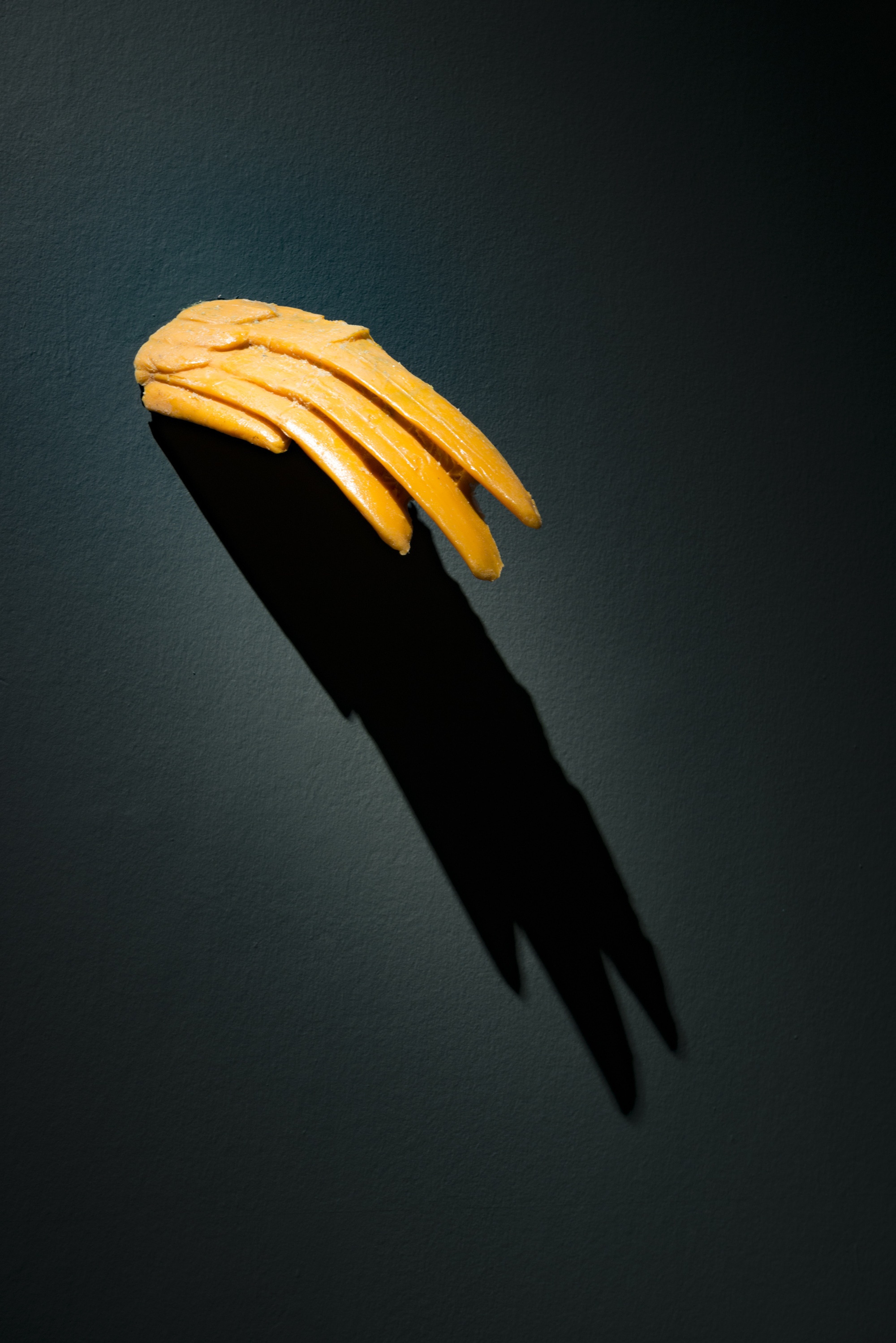
Trip City (Frequency Respond Test (Harry & Paul))
Installation View, 2017
Trip City (Frequency Respond Test (Harry & Paul))
Installation View, 2017
Trip City (Frequency Respond Test (Harry & Paul))
Installation View, 2017
Trip City
Installation View, 2017
Trip City
Installation View, 2017
Trip City
Installation View, 2017
Trip City
Installation View, 2017
Trip City
Installation View, 2017
Trip City
Installation View, 2017
Trip City, CCA Ujazdowski Castle
Scroll Down For German
People need fiction. Only through faith in shared fictions could societies, religions and nations emerge. Systems founded on looking unitedly in the same direction. Offering the majority relief in identifying with a greater cause. And the minority—a sense of exclusion. That's what the separatist power of language, flags and monuments is all about. Power is exercised at the symbolic level by dictatorially forcing images and objects—through which history is written—into the public sphere. Power depends on collective fictions. For shaping public opinion, it is not so much the facts that matter as the emotional potential of the message, as well as how it resonates with the recipient's beliefs. This is how contemporary political culture works and why it is ever more difficult to distinguish reali-ty from hallucination.
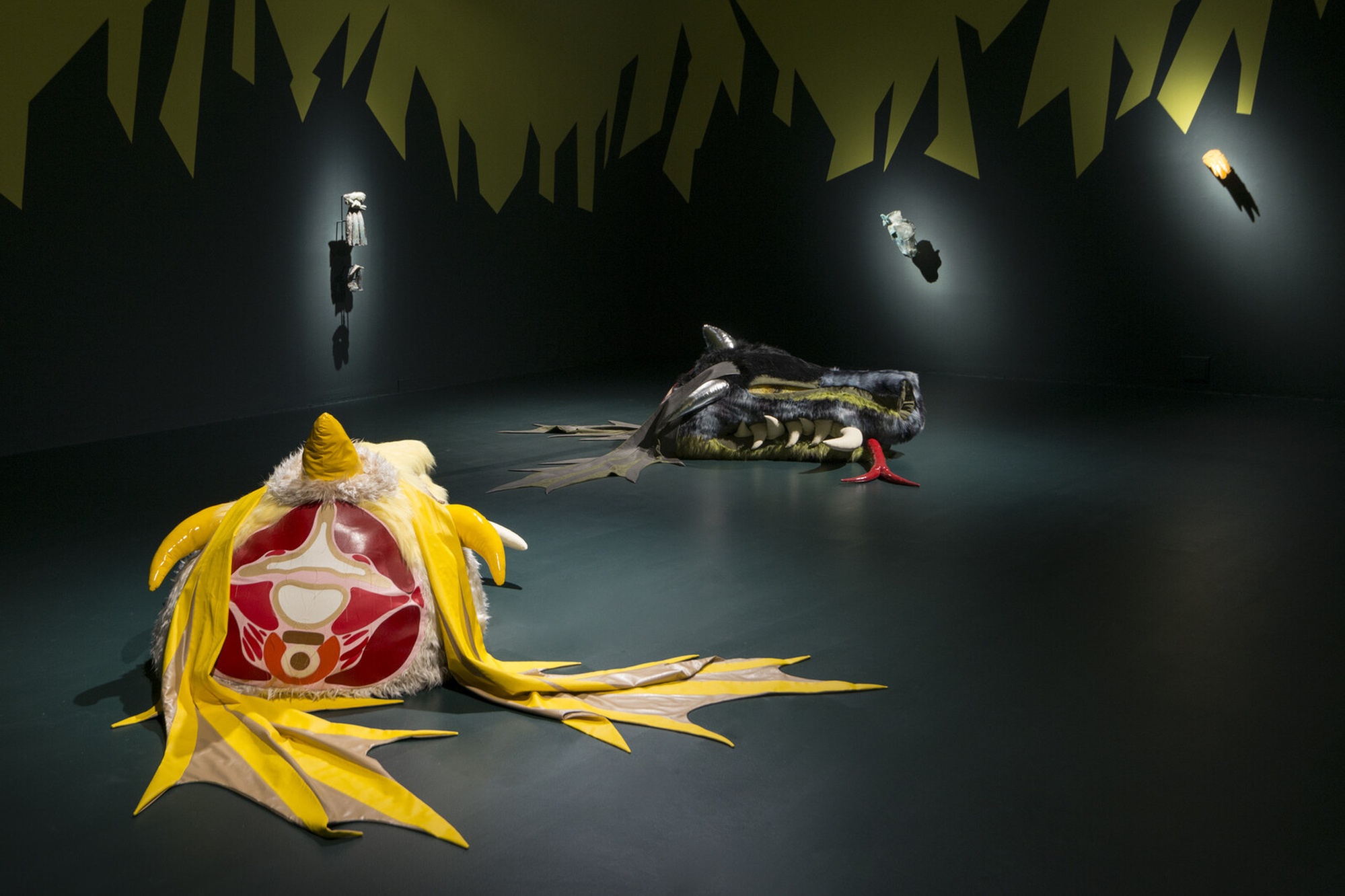
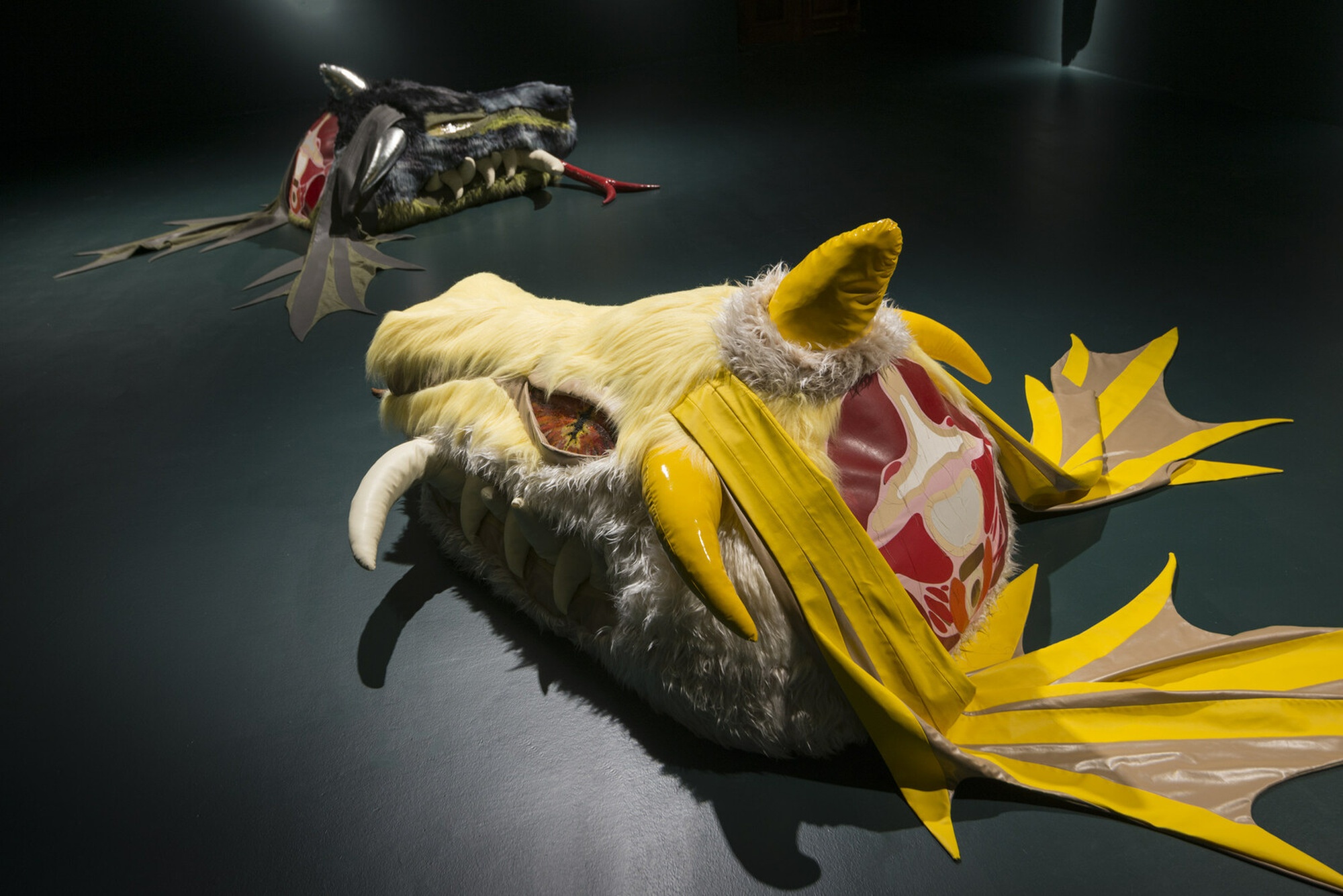
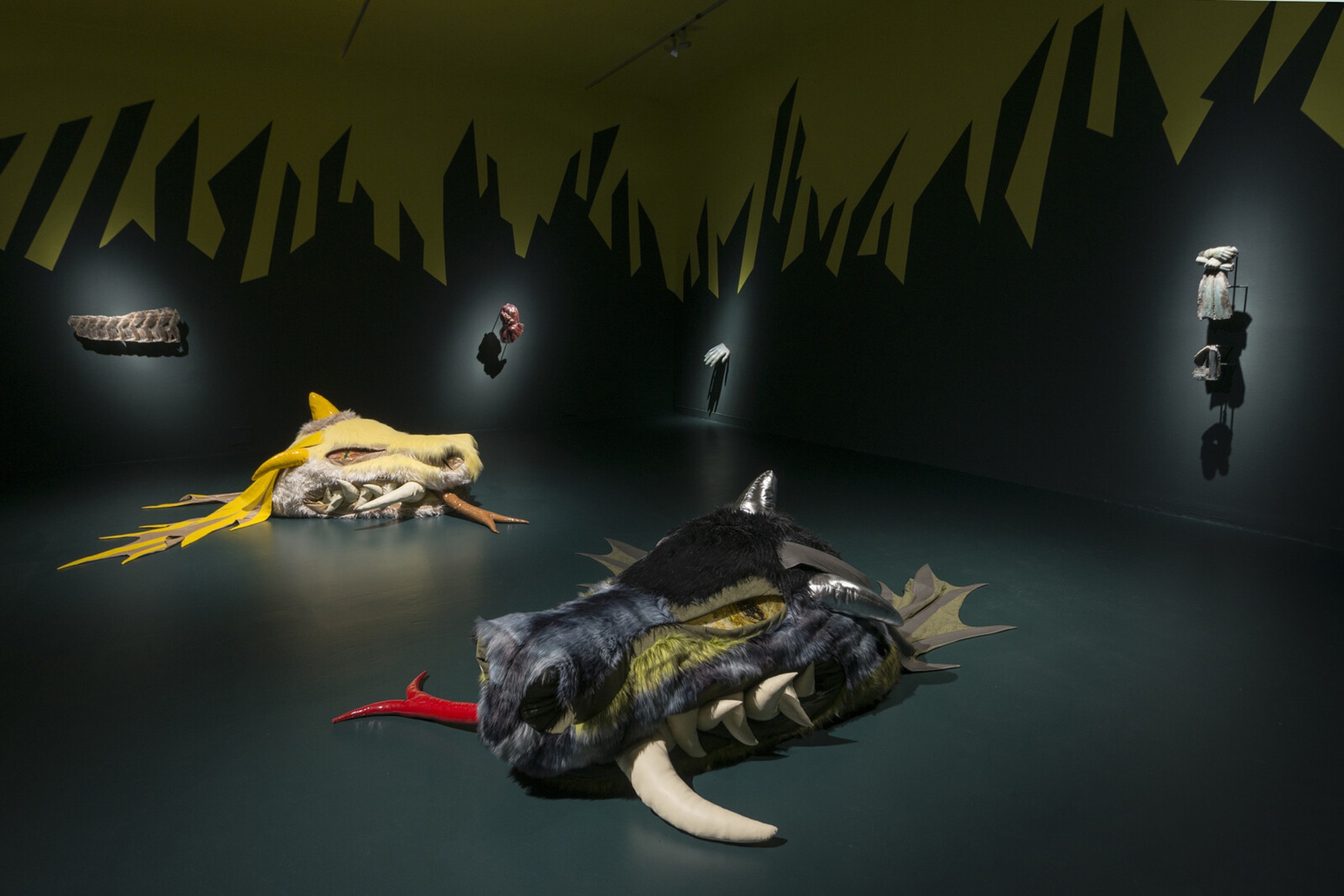
Trip City is a site-specific landscape of a psychoactive hue. Zuzanna Czebatul reads the socio-political sentiments active in public space, hijacks material objects, deconstructs and enters them into new contexts, changing their meaning. She explores the city, focusing on its vulnerable places. In Frequency Respond Test (Harry & Paul), two life-sized plush beasts with their heads cut off, she locates the idea of a dumbed down conflict without a chance for dialogue. A conflict that ceased to be constructive due to more value being placed on physical rather than verbal confrontation.
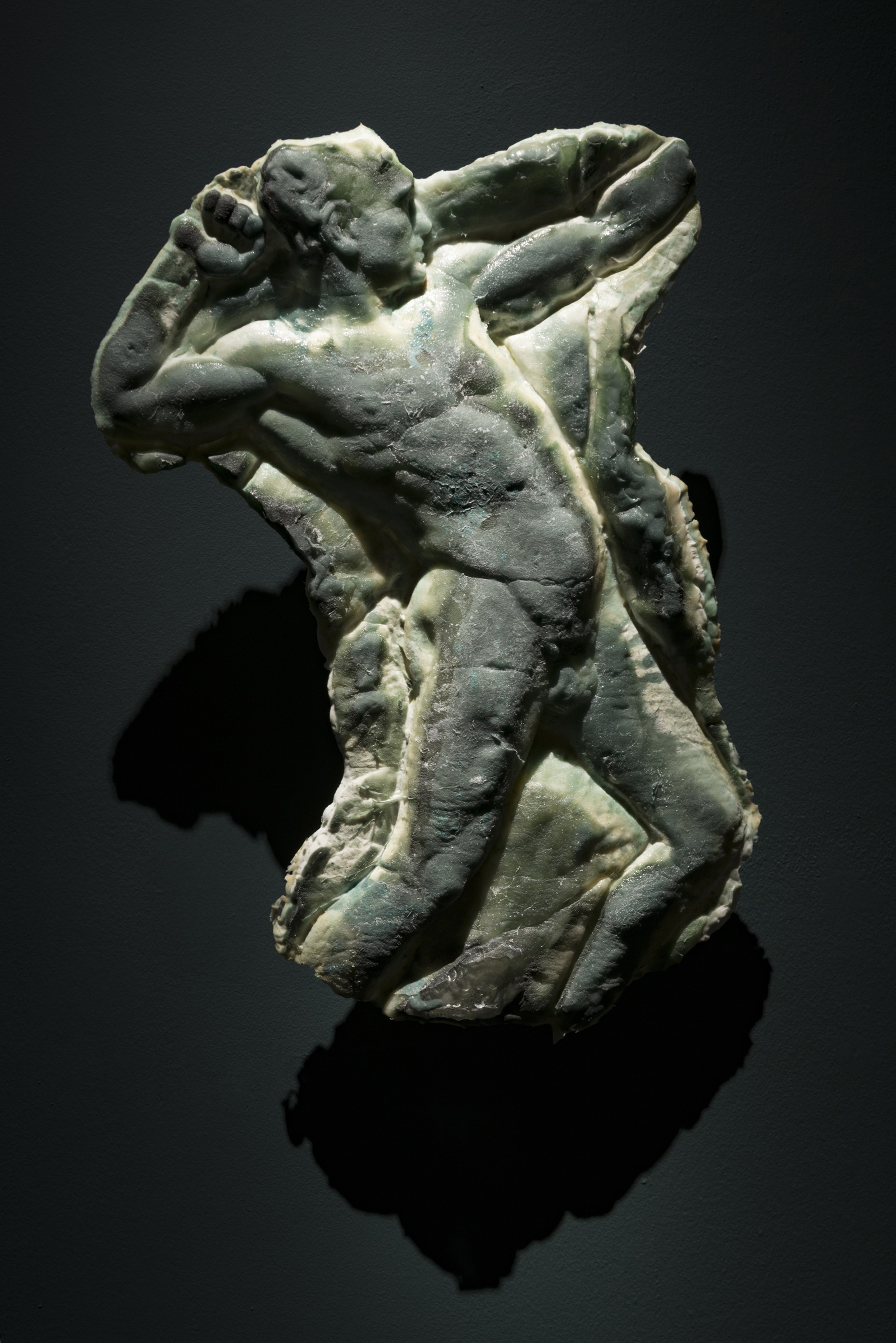
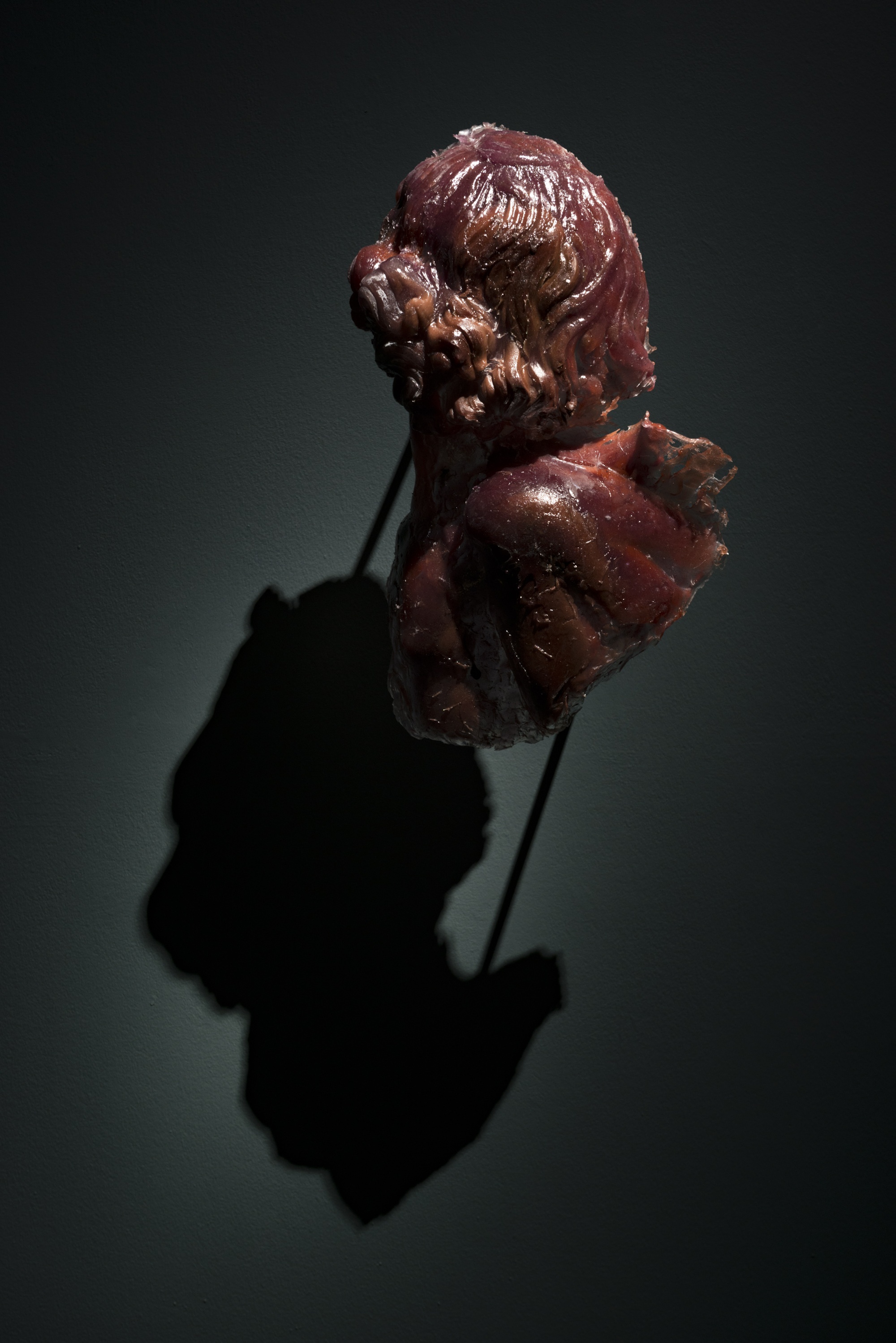
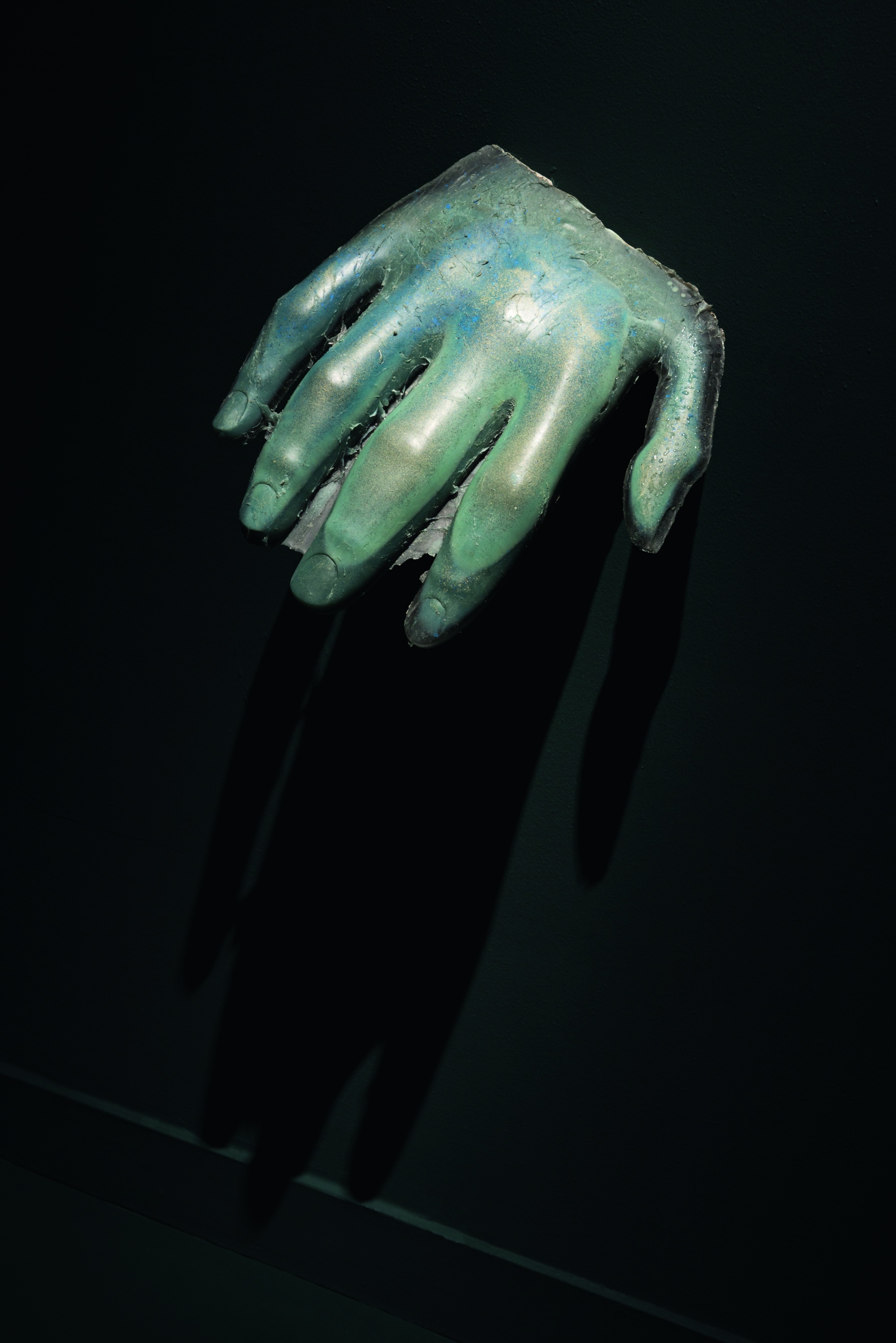
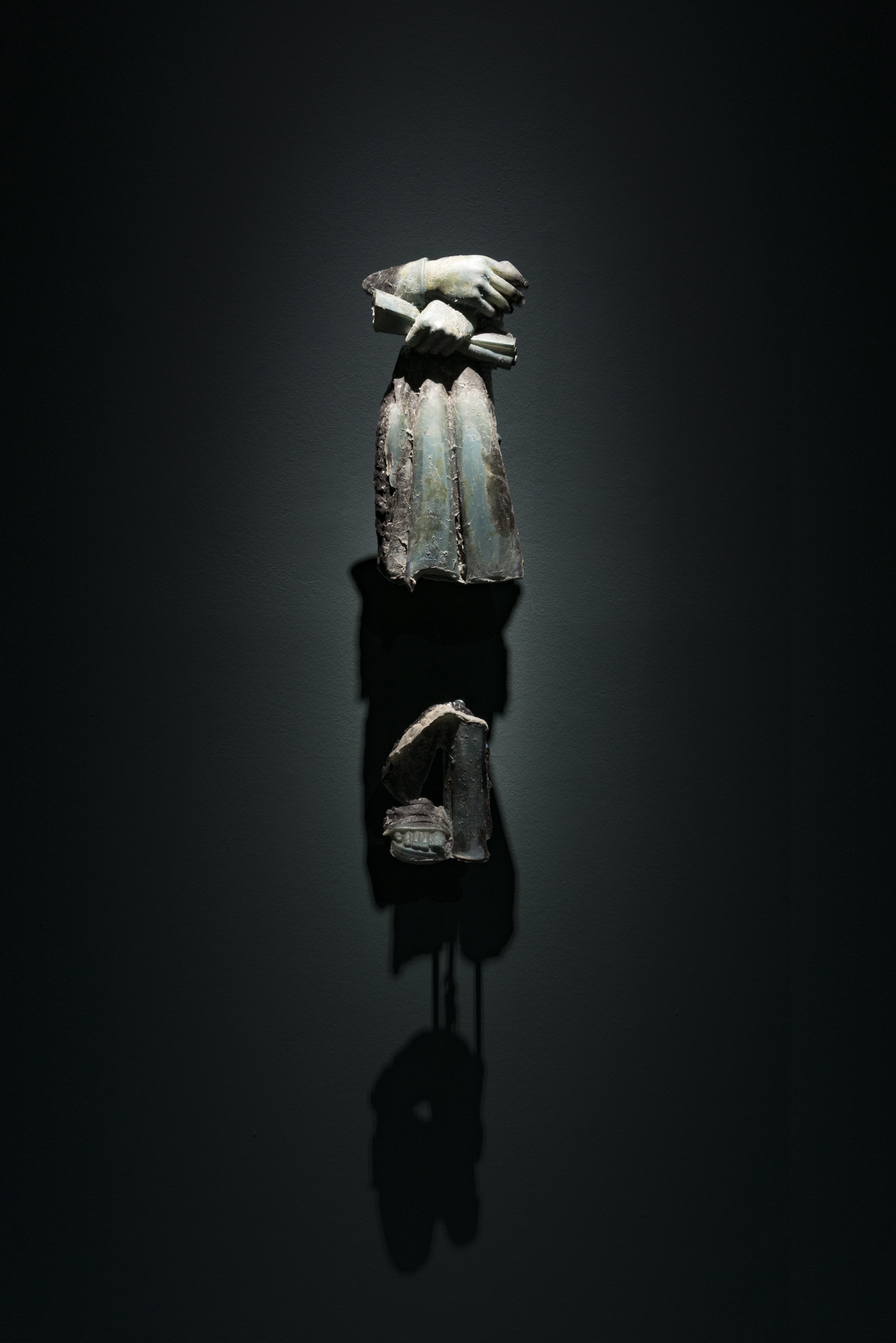
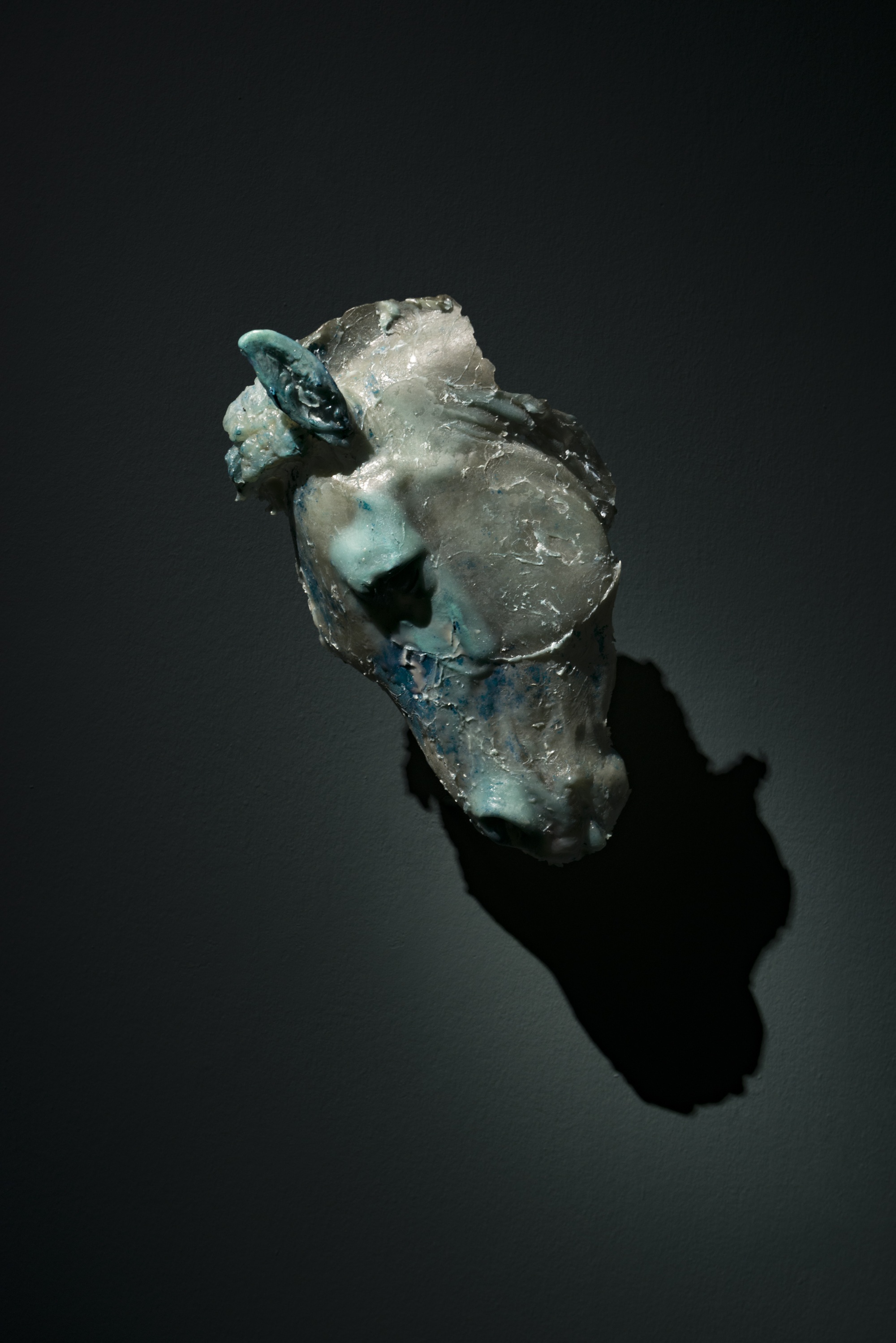
In the series New Republic the artist takes fragmentary casts from monuments and breaks them into pieces—disassembling their symbolic power as well as the collective cultural identity they project. The identity is ordered to form anew. Complementing the series, a mural refers to expressionist films from the early 20th century—in a critical moment for European history, they helped to tame the fear and negotiate the borders of reality. Czebatul also negotiates these borders—Trip City is a distorted reality weighted by an increasingly emotional burden. By treating history as an area of knowledge particularly susceptible to manipulation, the artist undermines and rejects the mechanisms running the public sphere and scrapes off the layers of ideology.
German
Menschen brauchen Fiktionen. Nur durch den Glauben an gemeinsame Fiktionen konnten Gesellschaften, Religionen und Nationen entstehen – Systeme, die darauf beruhen, gemeinsam in dieselbe Richtung zu blicken. Sie bieten der Mehrheit Entlastung durch die Identifikation mit einer größeren Sache und der Minderheit ein Gefühl des Ausgeschlossenseins. Darin liegt die trennende Macht von Sprache, Flaggen und Denkmälern. Macht wird auf symbolischer Ebene ausgeübt, indem Bilder und Objekte – durch die Geschichte geschrieben wird – autoritär in den öffentlichen Raum eingeschrieben werden. Macht beruht auf kollektiven Fiktionen. Für die Bildung öffentlicher Meinung sind nicht so sehr Fakten entscheidend, sondern das emotionale Potenzial einer Botschaft sowie ihre Resonanz mit den Überzeugungen der Empfänger*innen. So funktioniert die gegenwärtige politische Kultur – und deshalb wird es immer schwieriger, Realität von Halluzination zu unterscheiden.
Trip City ist eine ortsspezifische Landschaft von psychoaktiver Färbung. Zuzanna Czebatul liest die im öffentlichen Raum wirksamen gesellschaftspolitischen Stimmungen, eignet sich materielle Objekte an, dekonstruiert sie und überführt sie in neue Kontexte, wodurch sich ihre Bedeutung verändert. Sie erkundet die Stadt und richtet ihren Blick auf deren verletzliche Orte. In Frequency Respond Test (Harry & Paul), zwei lebensgroßen Plüschtieren mit abgetrennten Köpfen, verortet sie die Idee eines vereinfachten Konflikts ohne Möglichkeit zum Dialog – eines Konflikts, der seine konstruktive Funktion verloren hat, weil körperlicher Konfrontation mehr Wert beigemessen wird als sprachlicher Auseinandersetzung.
In der Serie New Republic nimmt die Künstlerin fragmentarische Abgüsse von Monumenten und zerbricht sie – sie zerlegt deren symbolische Macht ebenso wie die kollektive kulturelle Identität, die sie repräsentieren. Diese Identität wird gezwungen, sich neu zu formieren. Ergänzend dazu verweist ein Wandbild auf expressionistische Filme des frühen 20. Jahrhunderts, die in einer kritischen Phase europäischer Geschichte dazu beitrugen, Ängste zu bändigen und die Grenzen der Realität auszuhandeln. Auch Czebatul verhandelt diese Grenzen: Trip City ist eine verzerrte Wirklichkeit, die von einer zunehmenden emotionalen Belastung geprägt ist. Indem sie Geschichte als ein besonders anfälliges Wissensfeld für Manipulation begreift, untergräbt und verweigert die Künstlerin die Mechanismen des öffentlichen Raums und trägt Schicht für Schicht ideologischer Überlagerungen ab.